Iron-Rich Greens
+
Citrus Fruits
Vitamin C from citrus sources is commonly associated with enhanced non-heme iron absorption from leafy greens and legumes in nutritional research.
An educational look at how combining certain foods may support broader nutrient availability in your daily meals.
Some nutrients may be better absorbed when consumed alongside other specific nutrients. This concept, often discussed in nutritional science, suggests that the way we combine foods within a meal can influence how our bodies access the nutrients within them.
For example, fat-soluble vitamins (A, D, E, K) are generally better absorbed in the presence of dietary fat. Similarly, vitamin C may support the absorption of non-heme iron from plant sources.
These are general nutritional principles, not prescriptions. Individual nutritional needs vary, and it is always advisable to consult a qualified professional for personalized guidance.
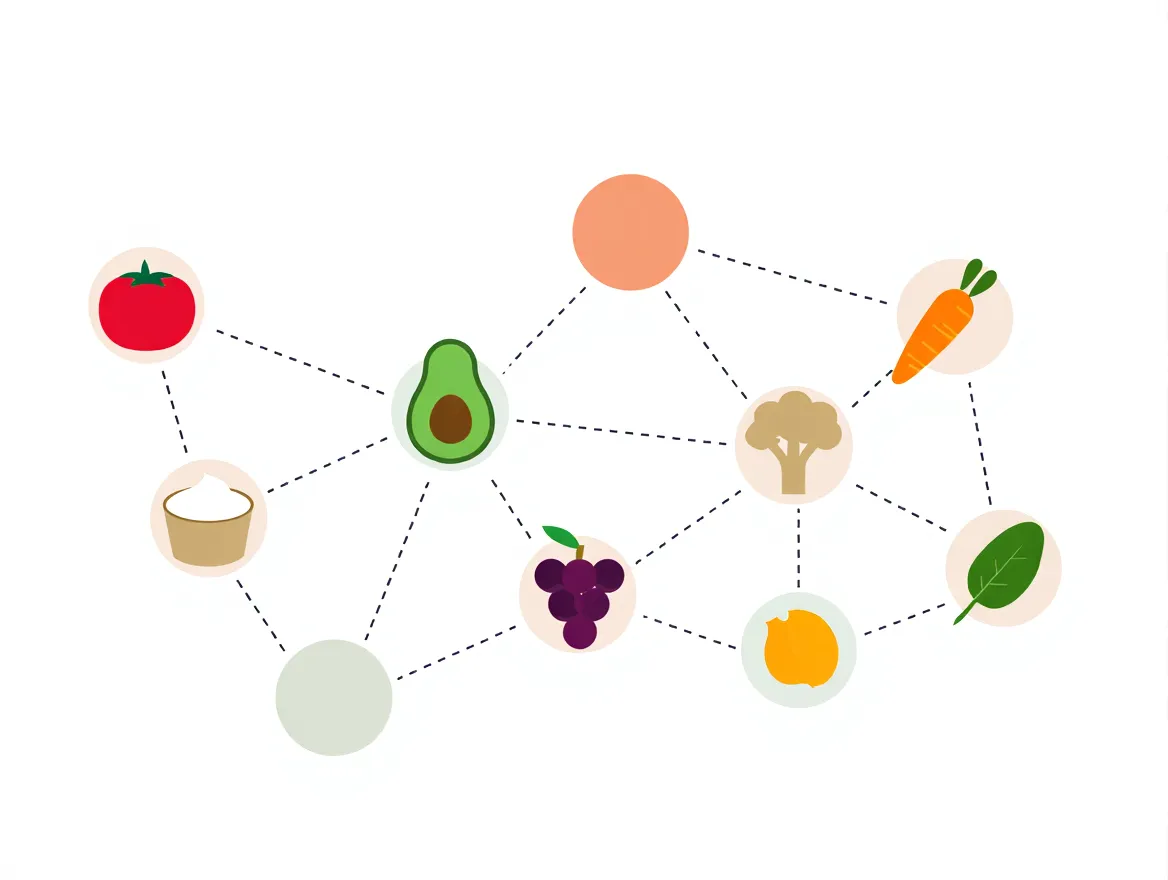
General food pairings frequently mentioned in nutritional literature. These are educational examples, not individualized advice.
Vitamin C from citrus sources is commonly associated with enhanced non-heme iron absorption from leafy greens and legumes in nutritional research.
The fat-soluble compounds in tomatoes, such as lycopene, are generally considered more bioavailable when consumed with a source of healthy fat like olive oil.
Piperine in black pepper is frequently cited in research as a compound that may support the bioavailability of curcumin, the active component in turmeric.
Combining grains and legumes is a traditional approach across many cultures. Together, they provide a more complete range of amino acids than either offers alone.
Combining fermented dairy with fiber-rich berries pairs probiotics with prebiotic fiber, which is frequently discussed in the context of gut microbiome diversity.
Adding a source of healthy fat like avocado to a vegetable salad may support the absorption of fat-soluble vitamins and carotenoids present in the greens.
Some combinations are discussed in nutritional science as potentially affecting nutrient availability. These are general notes, not medical guidance.
Some research suggests that high calcium intake at the same meal may reduce non-heme iron absorption. If both are priorities, some guidelines suggest spacing them across different meals during the day.
Tannins found in tea and coffee may bind with certain minerals, potentially reducing their absorption. Consuming these beverages between meals rather than during meals is a commonly mentioned approach.
Phytates in some whole grains and legumes can bind zinc and reduce its absorption. Soaking, sprouting, or fermenting these foods is a traditional method discussed for reducing phytate content.
Oxalates in foods like spinach and rhubarb can bind with calcium, reducing its availability. Pairing high-oxalate foods with separate calcium-rich meals may be worth considering.
Our variety guide covers the foundational concepts of dietary diversity across all food groups.
Read the Variety GuideAll content on this site is for general education and information only. It is not medical or dietetic advice, does not diagnose or treat any condition, and is not a substitute for a qualified health professional. Individual results vary; nothing here guarantees specific outcomes. Consult a qualified professional before changing your diet or health routine, especially if you have chronic conditions, are pregnant or nursing, or take medication.